

I once spent ten minutes trying to photograph a full moon from my balcony and what actually came out on my phone was a small white dot floating in a mostly black rectangle. It looked nothing like what I saw with my own eyes. I almost deleted it, then decided the caption could carry what the photo could not. That is the real problem behind most searches for moon captions for Instagram, whether you are after caption for moon or something more like moon quotes for instagram
People are not just looking for something poetic, they are trying to make a photo that undersells the moment feel worth posting anyway. This list is built around that gap, matching the caption to the photo you actually have, not the one you wished you took.
For a Clear, Bright Full Moon Shot
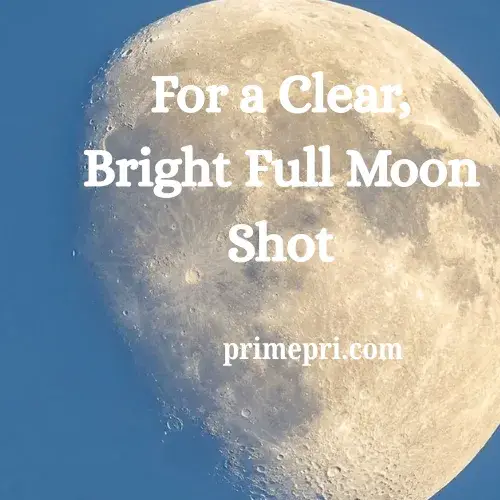
These fit a photo where the moon actually looks sharp and full in frame, usually taken with some zoom or a clear night with no clouds.
- “This is the one night my camera and the sky agreed.” Use this when the shot genuinely came out sharp, since it acknowledges how rare that is.
- “Full moon, full effort to hold the phone still.” A light, honest line for a zoomed in shot where you clearly tried hard to get it steady.
- “Some nights the moon just shows up for the camera.” Works when the photo looks almost too clean, like the moon cooperated.
- “I have never seen it this close without a telescope.” Fits a genuinely detailed shot with visible craters or texture.
- “Bright enough to light the whole balcony.” Good for a photo where the moonlight is visibly spilling onto something in frame, like a rooftop or a wall.
For a Blurry, Zoomed In Phone Photo
This is the category almost every other list skips, even though it describes most moon photos people actually take. These captions work with the blur instead of pretending it is not there.
- “It looked better in real life, but here is my attempt.” An honest, self aware line for a shot that clearly did not turn out crisp.
- “My phone tried its best, so did I.” Fits a soft, slightly shaky photo without sounding disappointed about it.
- “You had to be there, but here is the evidence I tried.” Works when the photo is more of a memory marker than a good picture.
- “Zoomed in until my hands started shaking.” Specific and funny for an obviously overzoomed, grainy shot.
- “Consider this a mood board, not a photograph.” A good line when the picture is mostly a blur of light rather than a clear moon shape.
For a Quiet, Reflective Night Sky Moment
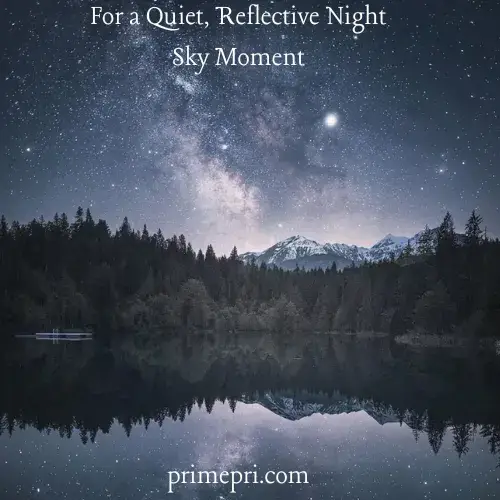
These suit a wider shot, maybe with trees, a skyline or just dark sky around a small moon, where the feeling is calm rather than the moon being the main subject.
- “Some nights just ask you to be still for a minute.” Fits a slow, quiet photo where you are not posting for engagement, just to remember the moment.
- “I stepped outside for air and stayed for the sky.” Works for a spontaneous shot taken during a walk or a break.
- “The moon does not need my caption, but here we are.” A self aware, slightly funny line for a wide night sky shot.
- “Everything felt slower under this sky.” Good for a photo where the mood matters more than the moon itself being visible clearly.
- “I did not plan to look up tonight.” Fits a shot that clearly was not staged, taken mid walk or during a break outside.
For Moon Captions With Someone Else in the Photo
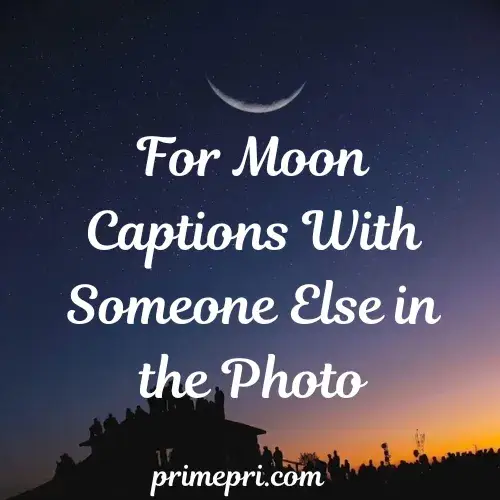
Different tone entirely, since the moon becomes a backdrop rather than the subject.
- “You pointed at the moon, I looked at you instead.” A romantic line for a couple photo where the moon is in the background.
- “Same moon, better company.” Works for a friend group photo taken outside at night.
- “We stood there arguing about which one was the North Star.” A specific, funny caption for a night out with friends where the moon is incidental.
What I Have Learned From Actually Posting These
Here is something most caption lists will not tell you. A caption that is too poetic next to a mediocre photo tends to get fewer comments, not more, because it feels mismatched, almost like you are trying to distract from the picture instead of describing it. I learned this the slow way, posting an E.E.
Cummings line under a shaky, overexposed phone shot that got barely any engagement, then posting a plain, honest caption under the same kind of photo a month later that did noticeably better. People respond to captions that admit what the photo actually is. If your moon photo is soft or a little blown out, a caption that owns that, like “my phone tried its best,” almost always performs better than a caption that pretends the shot is gallery ready.
Where the Moon’s Meaning in Captions Actually Comes From
The moon has carried different symbolism depending on the culture writing about it, which is worth knowing before you pick a tone. In Western poetry, the moon is often tied to romance and longing, which is why so many moon captions lean into love or missing someone. In many South Asian traditions, the moon carries a gentler, almost maternal symbolism, tied to comfort and guidance rather than just romance, which shows up in phrases like calling someone your “chand” as a term of endearment.
In folklore across cultures, the full moon is also linked to change and unpredictability, which is where captions about transformation or “phases” come from. Knowing this helps you pick a tone on purpose. A caption meant for a partner leans into the romantic tradition. A caption for a solo, reflective post fits better with the calmer, guidance leaning symbolism instead.
How to Actually Match a Caption to Your Photo
Before you copy any caption, look honestly at what your photo shows. If the moon is small and mostly surrounded by dark sky, a short, quiet caption works better than a long poetic one, since a long caption next to a small, plain image can feel oversized. If your photo is a close, detailed shot, you can afford a longer or more descriptive caption, since the image has enough detail to back it up. Also think about timing.
A caption written in present tense, like “the moon is loud tonight,” works for a Story you are posting right away. A caption in past tense, like “the moon was loud that night,” works better for a grid post you are uploading a few days later, since it does not pretend the moment is still happening.
FAQs-About-Moon Captions for Instagram
What is a good caption for the moon?
A good moon caption matches the mood of your actual photo. Short, honest lines like “the moon does not need my caption, but here we are” usually work better than long poetic quotes.
What is a short caption for the moon?
A short moon caption is usually four to six words, direct enough to stand on its own. Lines like “moon vibes only” or “same moon, better company” fit this well.
How do you caption a full moon picture?
Describe what made that specific night different instead of using a generic line. Something like “full moon, full effort to hold the phone still” feels more real.
What is a one word caption for the moon?
A one word caption works best when the photo is strong enough to carry the post alone, using words like “Moonstruck,” “Luna” or “Glow.”
What is a famous quote about the moon?
One popular pick is Paulo Coelho’s line about asking for the moon and being surprised how often you get it. Carl Sandburg’s line calling the moon a friend for the lonesome is another common choice for quieter posts.
Conclusion
That blurry balcony photo I mentioned at the start is still on my grid, small white dot and all, sitting under a caption that just admits it looked better in real life. That honesty is what makes a moon caption work, not how poetic it sounds, but how well it matches the photo you are actually posting. And whether your next post calls for moon caption or Obeautiful moon caption or something softer like captions for moon, the same rule holds: match the words to what the photo really shows, not what you wish it showed.
